
Mindful IVF : Meditate & Relax
Mindful MeditationsMedical
4.015.00 Reviews
- Version
- 7.0.11
- Installs
- 10.00K
- Age Rating
- Everyone
Screenshots
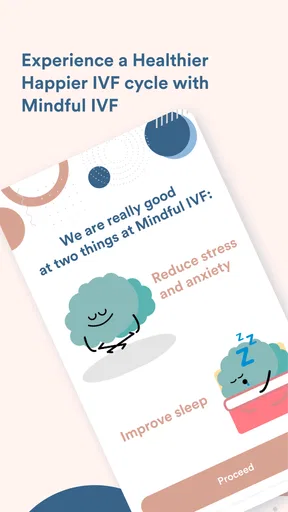
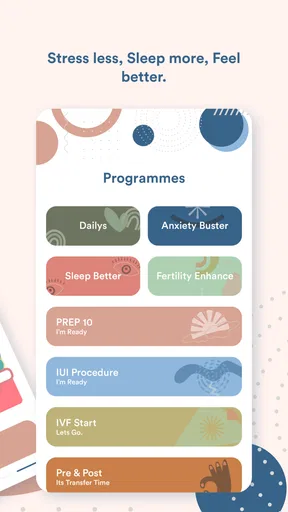
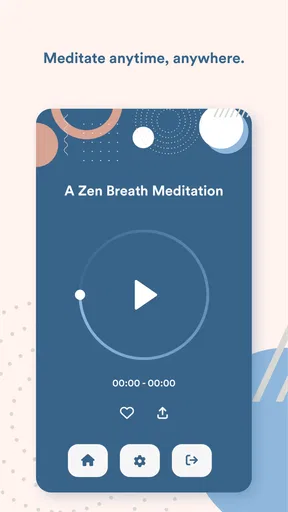
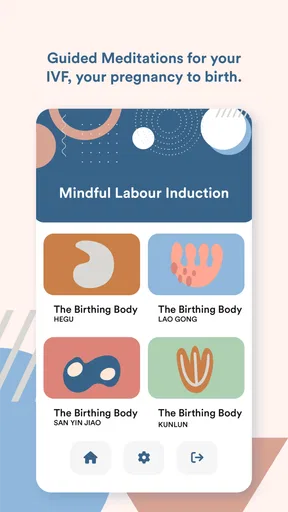
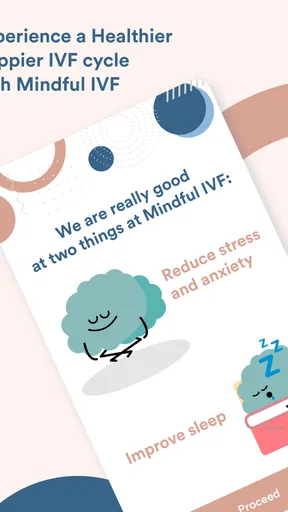
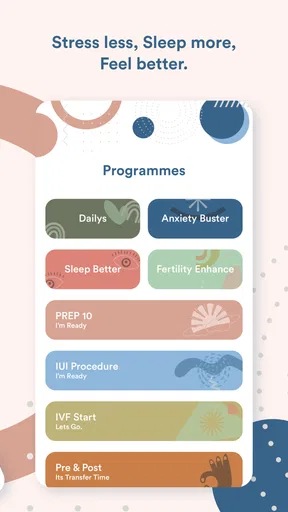
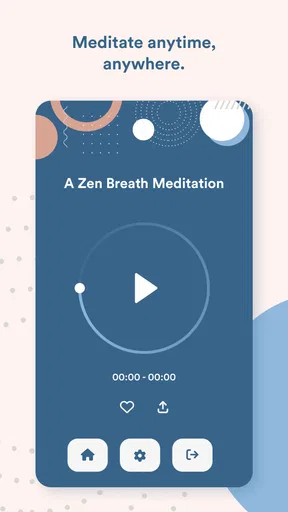
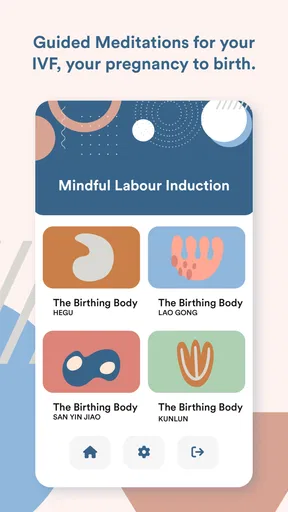
Our Review of Mindful IVF : Meditate & Relax
 Analysis by Appyee
Mindful IVF: Meditate & Relax is a focused medical wellness app from Mindful Meditations, built for people who want a calmer routine around IVF. I approached it as a companion for difficult moments rather than as a replacement for clinical care, and that distinction matters. Fertility treatment can make ordinary days feel unusually scheduled and emotionally heavy, so a meditation tool has value when it is easy to open, gentle in tone, and useful without demanding much attention.
The app’s central idea is straightforward: use guided meditation to support relaxation during an IVF journey. That narrow purpose is also its strongest quality. Instead of trying to become a general health dashboard, it speaks to a particular experience. I found that appealing because someone dealing with appointments, waiting, uncertainty, or treatment-related stress may not want to sort through a huge library of unrelated mindfulness material before finding something relevant.
A calm tool for a very specific kind of stress
The application sits in the medical category, although I would personally treat it as a supportive wellness resource rather than a source of medical advice. Its store summary presents the goal as experiencing a healthier, happier IVF process through meditation, while the shorter description identifies it as Mindful IVF. Those phrases describe the intended mood well, but they should not be interpreted as a promise about treatment outcomes. Meditation may help someone settle their thoughts or create a comforting routine; it cannot determine the result of IVF.
That is the first question many readers will have: is this suitable for someone who is actually undergoing treatment? In my view, yes, if expectations are realistic. It can fit alongside advice from a fertility specialist, therapist, or support group. It is less suitable for anyone looking for medication guidance, test interpretation, emergency mental-health support, or a way to make treatment decisions. The app’s value is in emotional support and relaxation, not diagnosis or clinical management.
The developer, Mindful Meditations, has kept the concept recognizable and approachable. The app is free to install, which makes it relatively easy to try without committing money first. There are in-app purchases ranging from $0.99 to $149.99 per item, so I would check the purchase screen carefully before unlocking anything. The wide range means the free starting point should not be confused with unlimited access to every part of the experience.
What using it feels like in a normal day
A realistic use case is a treatment day that begins with a rushed appointment and ends with too much time spent thinking about what happens next. Rather than opening a social network and falling into more anxious searching, I would use the app as a deliberate pause: sit somewhere quiet, choose a meditation, put the phone down, and let the session create a boundary around that worry. The benefit is not that the concern disappears. The benefit is that I have given it less control over the next few minutes.
Another useful moment is before sleep. IVF-related thoughts often become louder when there are fewer distractions, and a familiar meditation can provide a repeatable transition into bed. I would keep the phone’s sound at a comfortable level, avoid treating the session as a test of whether I can instantly relax, and allow the practice to be imperfect. That approach is more realistic than expecting one recording to remove every difficult feeling.
For people supporting a partner, the app may also offer a simple shared routine. You do not have to understand every medical detail to sit quietly together for a short meditation. That said, I would avoid presenting it as something the other person “should” do. Fertility treatment affects people differently, and a partner who prefers walking, conversation, or professional counseling may not benefit from being pushed toward an app.
Speed and the first few minutes
My expectation for an app like this is quick access rather than a complicated setup process. The concept is most useful when I can reach a calming exercise during a narrow window of opportunity: in the evening, before an appointment, or after reading a stressful message. Every extra step weakens that moment. Mindful IVF works best when treated as a small, repeatable tool rather than a destination that requires a long browsing session.
Perceived speed will naturally depend on the phone, operating system, connection, and whatever content is being opened. I would not judge its usefulness solely by how quickly the first screen appears. The more important test is whether the app lets me move from feeling unsettled to beginning a meditation without confusion. If I am spending more time looking for the right option than using it, the experience loses some of its purpose.
There is a practical tip here that is easy to overlook: decide in advance when the app belongs in your routine. Choosing a regular moment, such as after brushing your teeth or before turning off the light, reduces the mental effort of deciding whether to use it. That makes the app feel faster in everyday use even when the phone itself has not changed. A preselected routine is especially helpful during treatment periods when attention is already occupied by appointments and instructions.
I would also avoid opening it only during a crisis and expecting instant results. Relaxation skills tend to feel more familiar when practiced during manageable moments. Starting with short sessions on ordinary days can make the app easier to reach when anxiety rises. This is not a medical claim; it is simply a more workable habit than waiting until distress is at its peak.
When the phone is under pressure
Heavy use is not likely to mean running a complex game or editing large files. The demanding moments here are more ordinary: opening the app when the device is busy, switching between an appointment message and a meditation, or trying to listen while other notifications arrive. In those situations, the app’s usefulness depends on calm presentation and predictable behavior more than on elaborate visuals.
I recommend creating a distraction-light environment before starting. Silence unrelated notifications, close apps you do not need, and use headphones if that feels comfortable. This workflow is more important than it may sound. A meditation can be technically available yet emotionally ineffective if a message preview, incoming call, or crowded screen keeps pulling attention away.
There is also a trade-off between convenience and privacy in shared spaces. Listening aloud may let a partner participate, but headphones provide a more personal experience in a waiting room or busy home. If you are using the app near a clinic, remember that relaxation content does not make a public space private. Choose the setting that lets you feel comfortable rather than forcing yourself to use the app at a particular time.
For someone with limited storage or an older phone, a focused meditation app may be less demanding than a broad wellness platform filled with video, social features, trackers, and large content libraries. I cannot treat that as a guaranteed technical advantage on every device, but the narrower purpose gives it a sensible place in a lightweight setup. If your phone is already crowded, remove unused downloads and keep the device’s operating system in good working order before blaming the app for sluggishness.
Stability, interruptions, and recovery
Reliability matters more here than visual polish. When I start a meditation, I want the session to feel like a protected pocket of time. An interruption is not merely inconvenient; it can break the concentration I was trying to build. Calls, alarms, low battery, and changing locations are all realistic causes of disruption, so I would begin important sessions with enough battery and a stable environment.
The app is compatible with Android devices running version 8.0 or later, which gives it a clear device requirement for Android users. Before installing, I would check the phone’s software version rather than assume every older handset will work. That is particularly relevant if you are keeping an older spare phone for treatment appointments or using a family member’s device.
Recovery is another overlooked part of the experience. If you are interrupted, do not treat restarting as failure. Simply return to the meditation when you can, or use the next available quiet moment. A good personal workflow is to stop the session without rushing, take one slow breath, and decide whether continuing would help or whether the day has become too busy. The app should support your routine, not turn relaxation into another obligation.
I also prefer to keep expectations modest around continuity. A meditation app is not the right place to store essential medical reminders or assume that emotional progress will be tracked perfectly. Keep appointment times, medication instructions, and clinical questions in the tools recommended by your healthcare team. This separation makes the app safer to use because it has one job: helping you pause and settle.
Device limits and accessibility in real life
Phone size, speaker quality, battery condition, and the environment all affect how comfortable the experience feels. A small screen is not necessarily a problem for audio-led relaxation, while a weak speaker can make quiet guidance difficult to follow. Headphones may solve that issue, but not everyone likes wearing them, especially during long sessions or when they need to remain aware of their surroundings.
I would be cautious about using any meditation while driving, cycling, cooking over heat, or handling medical equipment. The app is intended for a safe, stationary moment. That sounds obvious, but people often try to fit wellness activities into busy routines, and a calming voice should never compete with an activity that requires full attention.
Accessibility is also personal. Some users relax more easily with spoken guidance, while others find a voice distracting and prefer silence, breathing, or music. If guided meditation does not suit you, this may not become a regular tool even if the IVF focus feels relevant. A general mindfulness app with more format choices, a therapist-led exercise, or a simple offline breathing routine could be a better match.
The age rating is Everyone, which makes the app broadly approachable from a content-rating perspective. That does not mean every person will find the subject emotionally appropriate. IVF can be a sensitive topic, including for people who have experienced loss, unsuccessful treatment, or difficult decisions. If opening the app increases distress rather than easing it, stepping away is a reasonable response, not a sign that you are using it incorrectly.
How it compares with familiar alternatives
Compared with a general meditation app, Mindful IVF has the advantage of relevance. A large mindfulness service may offer more variety, broader sleep content, breathing exercises, progress tools, and different instructors, but it can also make the user search through material that does not speak to fertility treatment. This app’s narrower identity may feel more validating when the source of stress is specifically IVF.
Compared with a fertility tracker, it serves a different purpose. A tracker may help organize cycles, symptoms, appointments, or treatment information, while this app is better understood as an emotional pause. I would not replace a tracker or the clinic’s instructions with it. The two kinds of tools can sit side by side, but combining their roles would create confusion about what the app is actually for.
Compared with counseling or a support group, meditation is more private and immediately available, but it is also less responsive. A recording cannot notice when someone is overwhelmed, ask a useful follow-up question, or adapt to complicated grief. If anxiety, sadness, panic, relationship strain, or hopelessness is affecting daily life, professional support is the stronger option. The app can accompany that support, but it should not be used to avoid it.
Compared with free breathing exercises found elsewhere, the main reason to choose this app is the IVF-specific framing. If you already have a breathing routine that works and do not want purchases or another app on your phone, staying with that routine may be sensible. The best tool is the one you will actually use without feeling pressured by it.
Who will get the most from it
I see the strongest fit for someone who wants a dedicated, low-pressure meditation companion during IVF and prefers relevance over a huge menu of wellness features. It may also suit a partner who wants a simple way to participate supportively without turning every conversation toward medical details. The free entry point makes trying it less intimidating, while the Everyone rating keeps the content broadly accessible.
I would be more hesitant to recommend it to someone seeking detailed fertility education, treatment tracking, clinical reassurance, or a comprehensive mental-health program. It is also not my first choice for a person who needs live interaction, personalized therapy, or extensive accessibility controls. In those cases, a clinician, counselor, support community, or more configurable mindfulness platform may offer better help.
Before making a purchase, I would spend enough time deciding whether the available meditation style actually fits you. Because individual items can cost from $0.99 to $149.99, the sensible approach is to read each purchase prompt carefully and avoid unlocking content simply because you are having a stressful day. Emotional vulnerability is exactly when clear spending boundaries matter most.
My performance verdict after weighing the trade-offs
Mindful IVF: Meditate & Relax succeeds because it understands that an IVF support tool does not need to solve everything. Its focused purpose makes it easier to place in a daily routine, and its medical-wellness positioning gives it a more specific emotional context than a standard meditation catalog. I would use it for a quiet pause before sleep, after an appointment, or during a tense waiting period, while keeping all clinical decisions and essential reminders elsewhere.
Its limitations are equally clear. The experience cannot replace professional care, may feel too narrow for people who want broad mindfulness features, and requires sensible attention to interruptions, device compatibility, and in-app purchase choices. Performance will depend on the phone and listening environment, so I would judge it by whether it gets me into a useful session with minimal friction rather than by expecting a dramatic technical experience.
With an average rating of 4.0 from around 131 ratings, it has a modest but positive reception, and more than 10 thousand installs show that it has reached a real audience without making it a universal solution. The current version is 7.0.11, and the app has been available since June 1, 2016, giving it a longer presence than a brand-new experiment. Those details do not guarantee that it will suit every person, but they make trying the free version a reasonable starting point for someone specifically looking for IVF-focused meditation.
My recommendation is cautious but positive: try it if you want a dedicated relaxation companion and can keep its role separate from medical care. Use it gently, protect the time around each session, and stop if it makes you feel worse. For the right user, its focused approach is more useful than a crowded wellness app; for everyone else, a broader meditation service or human support may be the better investment.
Verdict
Strengths of Mindful IVF : Meditate & Relax
- Guided meditations are tailored to common IVF treatment stages.
- Short sessions fit easily around appointments and daily routines.
- Calming audio may help users manage treatment-related stress.
- Simple interface makes programs easy to start without much setup.
- Includes relaxation content for both patients and partners.
Limitations of Mindful IVF : Meditate & Relax
- Some useful meditations may require a paid subscription.
- Content is primarily in English, limiting accessibility for some users.
- It is not a substitute for medical or psychological support.
- Reminders may feel intrusive during emotionally difficult periods.
- The library may seem limited for users seeking broader mindfulness topics.
Similar Picks in This Category
View All
WebMD: Symptom Checker
WebMD, LLC4.1

Microphone Amplifier
DOSA Apps4.2

Anatomy Learning - 3D Anatomy
3D Medical OU4.5

Period Tracker and Calendar
SimpleInnovation4.9

GoodRx: Prescription Coupons
GoodRx4.8

CVS Health
CVS Pharmacy4.5
Frequently Asked Questions
What is Mindful IVF: Meditate & Relax designed for?
Mindful IVF: Meditate & Relax is designed to provide emotional and relaxation support for people going through fertility treatment, including IVF. It typically combines guided meditations, breathing exercises, calming audio, and mindfulness practices that may help users manage stress, anxious thoughts, and difficult emotions during the process. It is a wellness companion, not a fertility treatment or a replacement for professional medical care.
Can Mindful IVF: Meditate & Relax improve my chances of becoming pregnant?
The app should not be considered a treatment that increases fertility or guarantees a successful IVF cycle. Its meditation and relaxation content may help some users feel calmer, sleep better, or cope with the emotional pressure associated with treatment, but these benefits are supportive rather than medical. Always follow the advice of your fertility specialist and discuss any health concerns directly with your care team.
Is the app suitable for everyone undergoing IVF or fertility treatment?
The app may be useful for many people experiencing fertility treatment, but everyone responds differently to meditation and emotional-wellness content. Some sessions may bring difficult feelings to the surface, particularly after unsuccessful treatment or pregnancy loss. If you are experiencing severe anxiety, depression, trauma symptoms, or thoughts of self-harm, seek qualified professional support rather than relying on the app alone.
What kind of content and features can I expect after downloading it?
Mindful IVF: Meditate & Relax generally focuses on guided mindfulness sessions, relaxation exercises, breathing practices, and audio intended for different moments of the fertility journey. Depending on the version and platform, content may be organized by topics such as treatment stress, sleep, waiting periods, injections, appointments, or emotional resilience. Check the current store listing for exact features, language options, subscription details, and available content.
Is Mindful IVF: Meditate & Relax free to use?
Availability and pricing can vary between Android and iOS and may change with updates. The app may offer free introductory material while reserving additional meditations, programs, or features for a subscription or one-time purchase. Before starting a trial, review the in-app purchase screen carefully, including renewal terms and cancellation instructions. Downloading the app itself does not necessarily mean that all content is free.
